
Clinical Services

Practice Site: Vancouver General Hospital
Our Hospitalist Service
Our Hospitalists care for adults with complex, multi-system medical illness, working alongside the emergency, trauma and subspecialty services. As VGH is the principal teaching hospital for the UBC Faculty of Medicine, and our members lead and mentor multidisciplinary teaching teams of internal medicine residents, family practice residents and medical students, with a commitment to evidence-based medicine, quality improvement and developing the next generation of clinical leaders.
Our Clinical Environment
The Hospitalist Service at VGH operates at the frontline of a high-acuity, fast-paced acute care environment. Managing a diverse and complex patient population, our hospitalists provide comprehensive medical leadership across multiple domains:
Acute Medical Inpatient Care: Serving as the most active admitting service for complex, multi-system medical illnesses, acute exacerbations of chronic conditions, and diagnostic dilemmas.
Level 1 Trauma & Emergency Support: Working in tandem with Canada’s busiest Emergency Department and Level 1 Trauma Center to facilitate rapid assessment, admission, and stabilization of acute medical patients.
Interdisciplinary Co-Management: Collaborating closely with world-class subspecialty teams—including neurology, cardiology, oncology, and advanced surgical programs—to provide integrated, holistic care for complex inpatients.
Acute Medical Patient
As acute medical hospitalists, we care for adult, frail, and complex patients presenting with overlapping or undifferentiated health issues, with many admissions originating from the emergency department or intensive care units. We look at illness within the broader context of a patient's life, keeping in mind how social factors, vulnerability, and family supports affect recovery. Acting as the central coordinator, we bring together subspecialists, nurses, and allied health professionals to build a practical, comprehensive care plan aimed at a safe return home or to the community.
Palliative Care
We serve as primary physicians for patients transitioning to end-of-life care, working hand-in-hand with palliative consulting specialists to deliver comprehensive support during the terminal phases of illness. Managing complex symptom burdens and conducting proactive goals-of-care discussions are central to our approach. Alongside our interprofessional and allied health teams, we focus on optimizing comfort and preserving dignity while guiding patients and their families through difficult clinical decisions and emotional transitions.
Cancer Care
While specialized medical, surgical, or radiation oncologists direct primary cancer treatments, we serve as the attending hospitalists when patients require acute hospital admission for treatment-related toxicities, infections, or disease progression. Our focus is delivering attentive, compassionate care during intensive therapies while maintaining close, continuous alignment with the outpatient oncology team. We coordinate seamless transitions back home, to outpatient clinics, or toward subsequent phases of specialized care.
Geriatric Psychiatry
Managing delirium and dementia is a daily challenge in hospital medicine, often marking a tipping point for difficulties that began long before admission. When memory issues overlap with behavioral changes, we work closely with our geriatric psychiatry colleagues to provide specialized, compassionate support for patients and their families. By accounting for living conditions, financial constraints, and available home support, we aim to establish a safe, sustainable long-term care plan.
Stroke Neurology
Our stroke hospitalists care for patients admitted with acute neurological events, including ischemic strokes, transient ischemic attacks, and intracranial hemorrhages. Working within rapid-response pathways alongside neurologists, neurosurgeons, and specialized stroke nurses, we deliver prompt, evidence-based medical management to stabilize patients during the critical acute phase. Following stabilization, we address underlying vascular risk factors for secondary prevention and partner closely with the rehabilitation team from day one to optimize functional recovery and support families through sudden life changes.
Non-Operative Orthopedics
When patients sustain musculoskeletal injuries or fragility fractures that do not require surgical intervention, we step in as primary physicians to oversee their comprehensive medical recovery. Older adults often present with complex underlying medical conditions triggered by a fall or injury; our focus is managing acute pain, preventing hospital-acquired complications, and stabilizing pre-existing health issues. Acting as the central coordinator alongside trauma teams, orthopedic surgeons, and physical therapists, we facilitate early mobilization and build the strong medical foundation necessary for a safe return home or to assisted living.
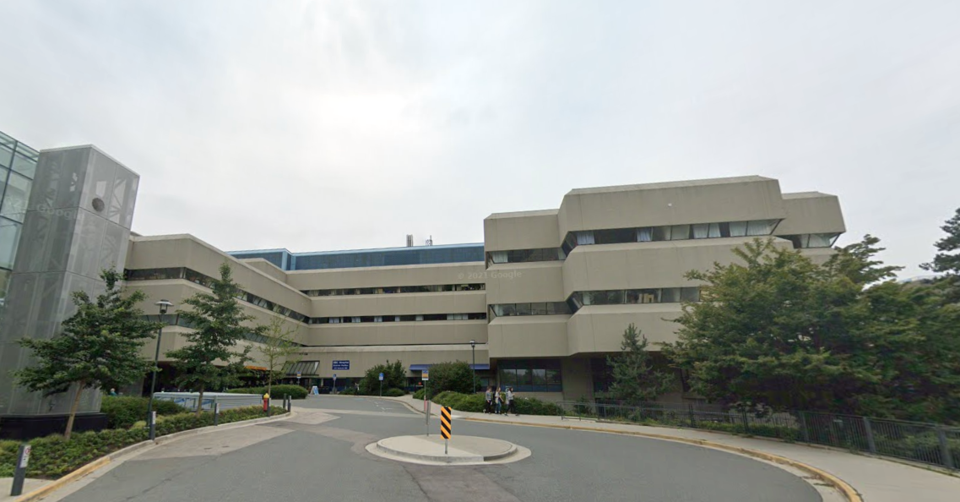
Practice Site: UBC Hospital
Our Hospitalist Service
Our hospitalists are the admitting service for the Emergency/Urgent Care Centre at UBC Hospital, and provide care on the Complex Activation Medical Unit (CAMU), the Surgical Short Stay Unit and the High Acuity Unit, as well as acute care for Purdy Pavilion residents. The site combines subacute and specialized acute care with close academic and research ties to the University of British Columbia.
Our Clinical Environment
The Hospitalist Service at UBC Hospital plays a critical role in managing complex, stable medical inpatients, providing comprehensive care across several specialized units:
CAMU (Complex Activation Medical Unit) and SSU (Surgical Short Stay Unit): These units provide structured care for patients who require extended medical management, functional optimization, or recovery support before returning to the community. Although CAMU is not a dedicated rehabilitation facility, it offers the necessary time and environment for frail, elderly, or seriously injured patients to safely rebuild strength following acute illness. The units also partner closely with specialized surgical programs to deliver expert perioperative medical co-management.
Emergency/ Urgent Care Centre (UCC): Serving the local campus and surrounding West Side communities, the UCC addresses non-life-threatening acute conditions, providing prompt medical evaluation, stabilizing urgent health issues, and facilitating safe transfers when higher-level interventions are required.
Acute Medical Patient
As the primary admitting service for the UBC Hospital Emergency, our hospitalists focus on the comprehensive care and recovery of adults with complex medical conditions. Our practice covers a broad demographic, ranging from frail older adults to younger patients with multifaceted health challenges. Backed by a close network of internal medicine and subspecialty colleagues, we deliver responsive, individualized care tailored to each person's clinical needs.
CAMU
The Complex Activation Medical Unit bridges the gap between acute treatment and a safe return home, giving patients extra time to recover strength and functional independence after severe medical events, strokes, or surgeries. Bringing together medical, nursing, and allied health staff, the unit handles ongoing clinical needs like IV medications and wound care while driving daily rehabilitation, patient education, and thorough discharge planning.
Geriatrics
For residents of Purdy Pavilion, we act as the primary acute escalation pathway right on the UBC Hospital campus. When acute medical needs exceed long-term care resources, our team steps in to provide immediate stabilization, advanced interventions like targeted IV therapies, and close monitoring—often utilizing our High Acuity Unit—to manage acute episodes and support vulnerable residents through recovery.
HAU
The High Acuity Unit provides an essential intermediate level of care for patients experiencing acute clinical deterioration. With specialized nursing staff and lower patient-to-nurse ratios, this unit allows us to closely monitor unstable conditions and deliver advanced treatments like continuous monitoring and non-invasive respiratory support. It serves as a dependable safety net for the UBC campus, ensuring seamless care for vulnerable individuals transferring from the emergency department or residential care.